About PERI — Formwork Engineering Since 1969
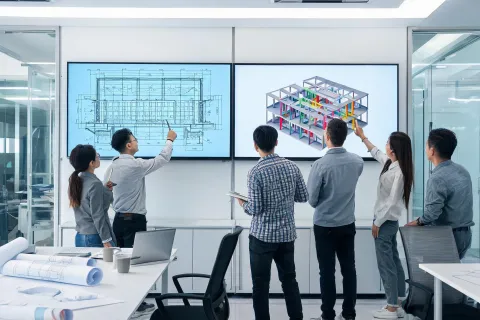
PERI operates as a forming technology organization that rents and sells panels. Load tests, coating science, digital planning tools, and chain-of-custody inventory audits sit at the center of how we support concrete contractors in 95 countries.
Publish the load table, prove the clamp pattern, then release the gang. That operating sentence guides how PERI writes catalogues, trains field teams, and invests in frame science so structural engineers can defend specs with evidence—not slogans.
Mission focus: reduce forming uncertainty on high-rise, infrastructure, industrial, residential, and tunneling projects by pairing modular systems with project-specific engineering and certified performance documentation.
Laboratories & Depots That Feed Spec Sheets
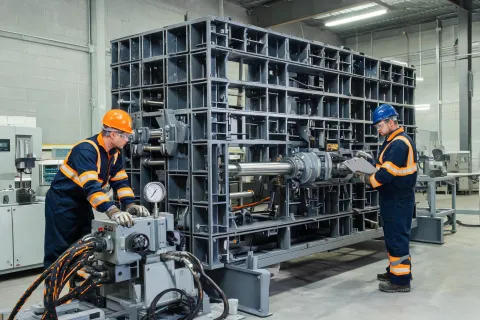
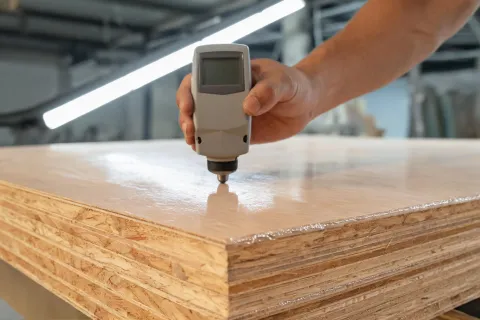
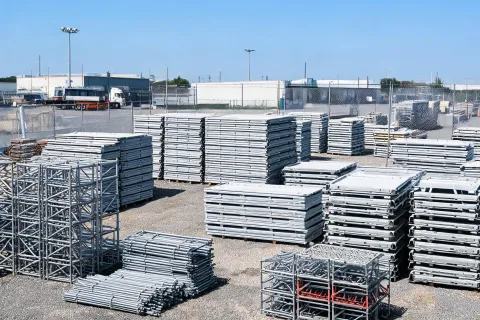
Test bays and regional depots share one measurement culture—hydraulic load frames, coating abrasion meters, and panel condition logs—so catalogue numbers match what arrives on the truck.
Technical Publications Specification Writers Request
These packages help building inspectors and procurement managers evaluate PERI systems without waiting for a sales visit. Request the latest revision through the project desk.
-
Wall Formwork Load & Tie Guide
Pour pressure windows, tie spacing charts, and stop-end detailing for TRIO, MAXIMO, and DOMINO wall heights.
-
Climbing System Cycle Notes
ACS and RCS lift sequences, platform load paths, and edge-protection checkpoints for cores and towers.
-
PERI Formwork Catalogue Pack
Panel families, PERI UP scaffolding accessories, and imperial/metric formats for procurement shortlists.
-
Panel Care & Reuse Bulletin
Cleaning chemistry limits, coating inspection grades, and storage practices that protect face quality across cycles.
Founded in 1969, PERI grew from regional formwork manufacturing into a global modular ecosystem with roughly 9,800 employees and project experience spanning more than 180,000 structures. Engineering hours saved on coordinated layout packs can reach 40% when BIM clash detection removes field improvisation before steel leaves the depot. Notable program types include 200 m+ core climbs, bridge travellers, industrial cooling towers, repeating residential floor plates, and tunnel invert forms.
We do not claim every pour needs the heaviest panel class or self-climbing platforms. We do claim that when those requirements appear, teams can respond with measurable data: ISO 9001:2015 process control, ISO 14001:2015 depot environmental management, CE-marked structural components, and OHSAS-aligned safety systems for temporary works. Published load bearing capacity tables stay tied to verified tie patterns; dimensional stability checks on RUNDFLEX segments and abrasion resistance grades on panel faces feed reuse decisions. Limits remain explicit—wind still governs outdoor platforms; damaged faces must be regraded before service life expectancy claims apply; aggressive cleaners with higher VOC emissions can shorten coating life; and schedule compression cannot erase early-age compressive strength gates or curing physics.
Request a Company Capability Briefing
Ask for depot coverage maps, certification dossiers, and the publication pack relevant to your structure type—high-rise, infrastructure, industrial, or civil works.